

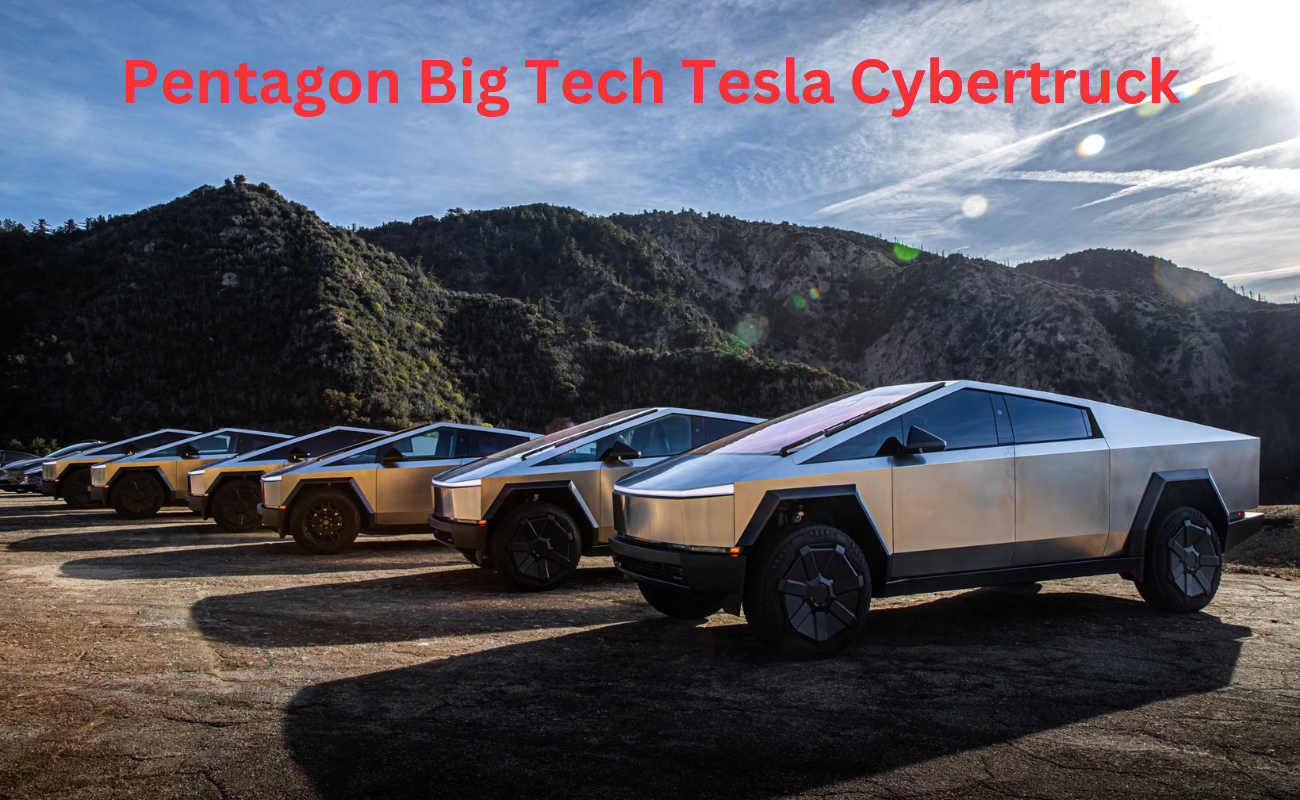
Here is the thing – is the whole story about the Pentagon buying a bunch of Tesla Cybertrucks? It never actually happened. At least not the way people thought. The main buzz came from a State Department procurement forecast that briefly mentioned Tesla, then quickly changed to a generic “armored electric vehicle” line item, and no contract was ever awarded to anyone. The Pentagon connection only showed up later when the Air Force asked for two Cybertrucks to use as targets for missile testing. That was it – this was target practice, not a fleet purchase.
What the Reported Deal Actually Was
The whole mess started with a public procurement forecast that listed “Armored Tesla” with a possible $400 million budget spread over five years. That number alone made people lose their minds. But later reports said the wording got changed to “Armored Electric Vehicles,” and the State Department made it clear that no contract had been handed to Tesla or any other company.
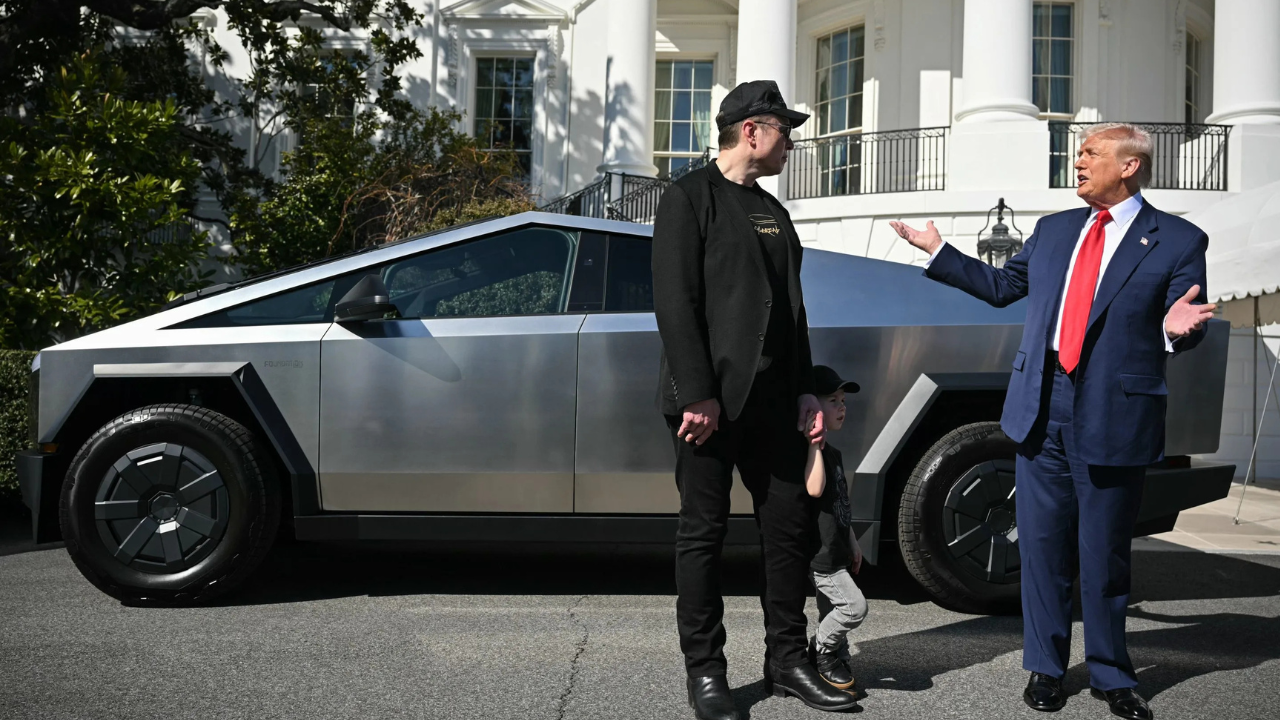
Reuters reported that the plan was cooked up during the Biden administration and then canceled by the Trump administration. Reuters also said Tesla was the only company that showed interest in the request for information at one point, but the department confirmed there were no current plans to issue an official solicitation. So the public number was never a signed contract — it was a forecast entry, then a revised forecast entry, then a dead plan. That is the whole story.
Why the Rumor Spread Like Wildfire
The rumor blew up because the word “Tesla” appeared in a government document right next to a massive dollar amount. That made it look like a direct deal with Elon Musk’s company, even though later statements said the line item was not an actual contract. The political angle made it worse because Elon Musk was already a high-profile government figure at the time. Reuters reported concerns about possible conflicts of interest, and a March 2025 House Foreign Affairs Committee letter asked whether the State Department had “conspired” to direct as much as $400 million to Tesla.
The House letter also said media reports raised questions about procurement rules, document changes, and whether Tesla’s name had been quietly removed from the public forecast after the reporting started. So the story kept feeding itself — every new detail made it sound more suspicious, even when the core fact was that nothing had actually been bought.
Read Also: Unblocked Games G+: The Ultimate Guide to Free Browser Fun
What the Documents Actually Showed
The House letter laid out the timeline pretty clearly. Media reports first popped up on February 12, 2025, after someone spotted the State Department’s procurement forecast with $400 million for “Armored Tesla.” Then, later reports cited Trump administration officials saying the plan started under Biden and that the department had no intention of moving forward. The same letter said that later screenshots showed the department edited the forecast to remove Tesla’s name while keeping the broader project alive for a bit. It also claimed the public document metadata suggested the file was updated after the first news broke.
Those claims were part of congressional oversight, not a final legal ruling, but they explain why the story would not die. Reuters and AP both reported the most important government position clearly — no contract had been awarded, and the proposed purchase was on hold. That should have ended it, but by then the damage was done.
Why the Pentagon Name Keeps Showing Up
People use “Pentagon” as shorthand for anything involving the U.S. military, but in this case, the main controversy was tied to the State Department, not a regular Defense Department vehicle order. The Pentagon connection only got stronger later in 2025 when the Air Force put Cybertrucks in a target testing request. That request was filed in the federal procurement system and said the vehicles would support live missile fire testing.
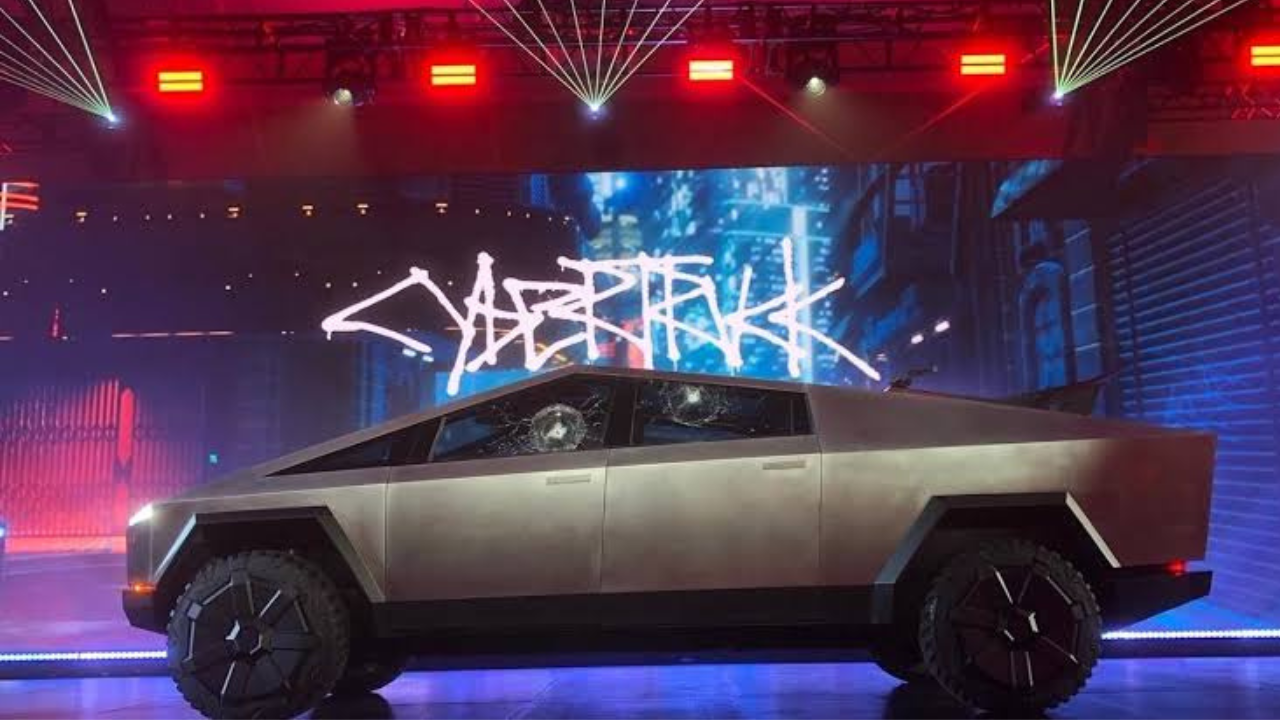
So there are two completely separate stories here. One of the disputed and later revised procurement forecasts at the state department news. The other is a military training request that wanted Cybertrucks as targets to blow up. They got mashed together in headlines, which is how we ended up with “Pentagon buying Cybertrucks” when neither story was actually about that.
The Air Force Target Practice Request
In August 2025, federal procurement documents revealed that the Air Force wanted two Tesla Cybertrucks for “target vehicle training flight test events.” This was part of a larger list of 33 vehicles for testing at White Sands Missile Range in New Mexico. The Air Force’s reasoning was actually pretty practical — they wanted vehicles that could mirror what future adversaries might use, and the Cybertruck stood out because of its weird design and materials.
The military was not looking to buy Cybertrucks for moving troops around or using them as regular vehicles — they just wanted something to shoot at. It meant they were considering blowing them up to see what would happen. That is a very different thing, but “Air Force wants to shoot missiles at Cybertrucks” does not make as catchy a headline.
Why Cybertruck Caught Their Eye
Tesla markets the Cybertruck as a tough electric truck with a stainless steel exoskeleton. Their official page says the exterior helps reduce dents, damage, and long-term corrosion, calling the body a protective exoskeleton. That unusual design is exactly why government buyers, security planners, and defense testers pay attention. A vehicle that looks and behaves differently from a standard pickup can matter in military planning, especially when agencies want to model what real-world threats might look like.
The design also made the original procurement forecast sound way more specific than a generic armored EV program. Once Tesla’s name appeared, most readers assumed a direct contract had already been approved. The available records do not back that up at all.
Big Tech and Defense Procurement Are Colliding
This whole mess shows how defense procurement and Big Tech now overlap way more than most people realize. Tesla is not just a car company in this context — it is part of a larger web of federal interest around electric vehicles, armored vehicles, autonomy, batteries, and secure transport. The controversy also proves how fast a forecast line can become a political bomb when a major tech company is involved. A planning document, a public screenshot, and a big dollar figure were enough to trigger questions about procurement fairness, document edits, and possible conflicts of interest.
The Air Force target vehicle request adds another layer. It shows the military is not just interested in buying from tech firms — they are also watching how their products might show up in future combat scenarios. That is a completely different conversation from a standard vehicle purchase.
What This Means for Tesla
For Tesla, the short-term impact was mostly about reputation and politics. The company got dragged into a public debate about federal procurement even though the government said no contract had been awarded. The longer-term impact is more interesting. Cybertruck became part of a government conversation about armored electric vehicles, future adversary vehicles, and defense testing. That does not guarantee sales, but it does show the truck has entered a security and military discussion far beyond normal consumer marketing.
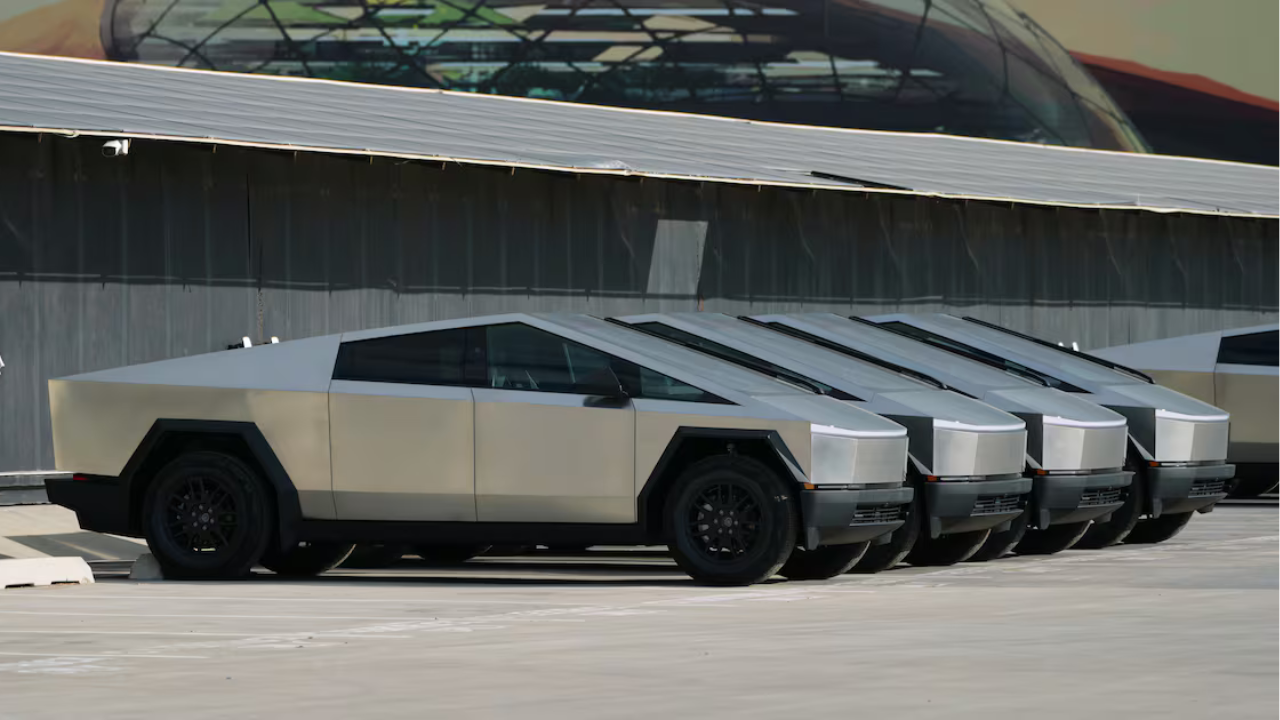
It also piles more scrutiny onto Tesla’s public image. When a consumer product becomes a topic in federal procurement, Congress, and military testing, every document and statement around it gets way more attention than usual. Elon Musk probably did not need more of that.
What You Should Actually Remember
The simple version is this — there was no confirmed Pentagon purchase of Cybertrucks for regular government use. The main procurement issue involved a State Department forecast that got revised, and the later Pentagon-connected story involved the Air Force seeking Cybertrucks as live targets for weapons testing. The rumor grew because Tesla’s name appeared next to a huge dollar amount. The facts point to a forecast, a revision, a pause, and then a separate military testing request months later. That is it. No secret deal, no massive fleet order, just a lot of noise over something that never actually happened.
Final Word
The Pentagon Big Tech Tesla Cybertruck story is a perfect example of how fast misinformation spreads when you mix a famous company name, a big government number, and political tension. The reality was far less dramatic — a planning document that changed, no contract awarded, and later a request to use two trucks for missile target practice. But by the time the facts caught up, millions of people already believed the Pentagon was building a Cybertruck fleet. It is a good reminder to look past the headline and check what actually happened before getting worked up.
Read More: Wheon Grand Theft Auto: The Open-World Gaming Experience Every GTA Fan Loves
